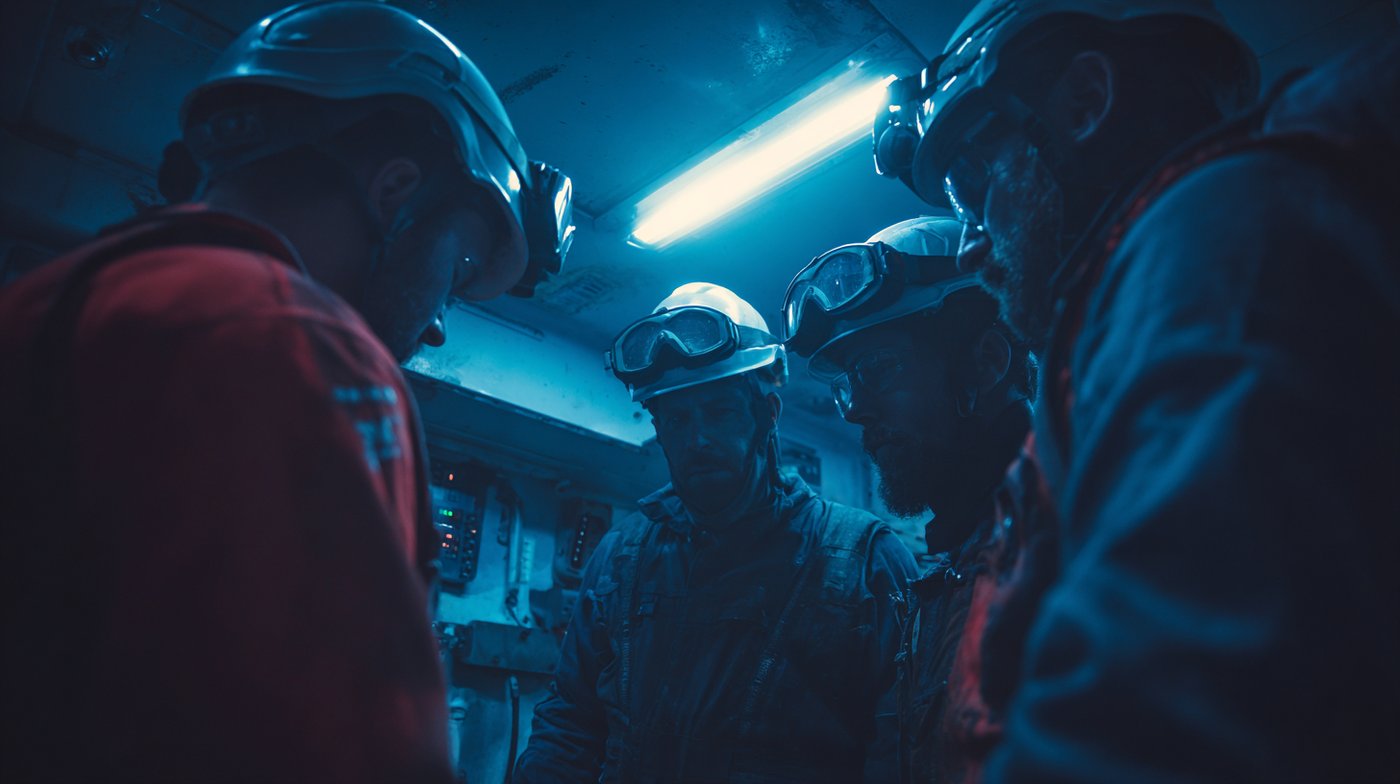
Working at sea, competence and training are obviously paramount. However, they are no longer enough on their own. It must also be documented. This shift is becoming visible both in inspections and audits, as well as in daily operations on board.
Are you able to verify, both practically and on paper, that your crew knows what they are doing?
From demonstration to a concrete paper trail
The foundation of competence at sea remains unchanged: Certification, training and established routines.
During inspections, crew have always been expected to show they are familiar with equipment and understand onboard procedures. This has not changed.
What is new is how this familiarity is verified. In addition to demonstration, training and familiarization are now expected to be documented and traceable. Demonstrated competence must be supported with clear and accessible records.
Complex operations increases the need for consistency
The move towards documented competence is supported by IMO guidance. Resolution A.1050(27) on enclosed space entry places clear emphasis on training and understanding of procedures. Recent updates, including requirements to consider gases such as CO₂, increase the complexity of routine operations.
As operational requirements become more detailed, the crew must be even more consistently trained. In practice, this also increases the need for that training to be documented and traceable.
The ongoing review of the STCW Convention is expected to place more focus on explicit training documentation, as a result of these changes.
Document your competence with myBruusgaard
The direction is clear across both regulation and practice. Competence must become more visible, more measurable, and more closely linked to documentation. So how do you do this?
One answer is myBruusgaard. It is a digital training portal with an expansive set of up-to-date courses and knowledge tests, with downloadable documentation provided for those who pass them.
Just as importantly, vessel managers, HSEQ and others have full access to the training status of everyone onboard every ship. This makes it a lot easier to ensure that no vital competence is missing, and that you’re fully covered when it comes to compliance.
Along with official certificates, this is excellent proof that you take training seriously, with a verifiable paper trail. And a surefire way of ensuring you are prepared for the new STCW the day it arrives.


 Customer support

.svg) myBruusgaard
myBruusgaard