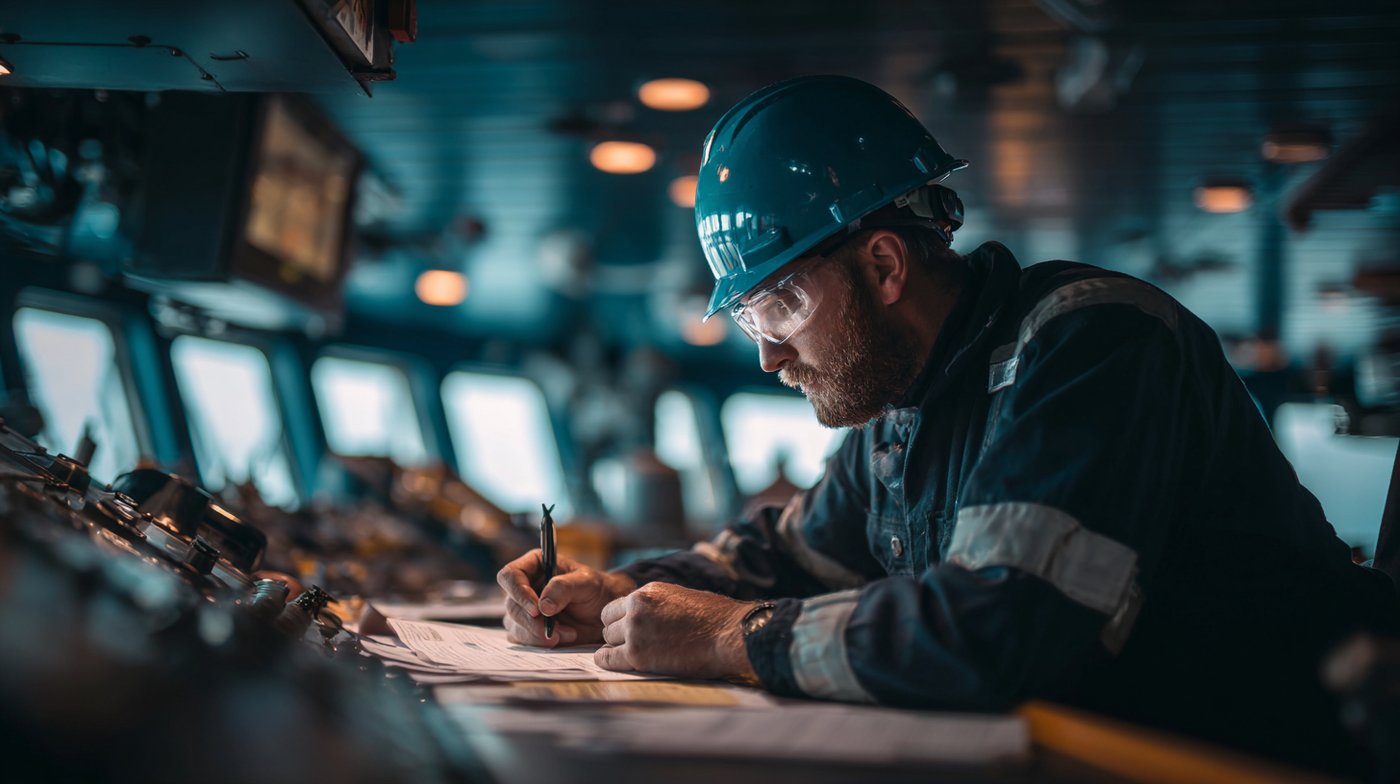
The STCW Convention and Code (Standards of Training, Certification and Watchkeeping) is under revision, and expectations for competence and verification are increasing.
The final requirements are not yet defined. However, the direction is clear. The ongoing IMO review has already identified a significant number of gaps related to technology, competence, and oversight.
While the official launch is still several years away, there are several actions superintendents should take already, in order not to be caught off guard once demands increase.
Preparation should focus on practical routines that can withstand stricter audits and more complex operations.
1. Align training with future fuel operations
Fuel transition plans will likely impact crew competence requirements. While the final STCW wording is still under development, ongoing IMO work on alternative fuels and vessel technology indicates that new risk profiles will require updated training and familiarization. Thus, superintendents should review:
- Which vessels will operate with alternative fuels
- Whether current training reflects new risks
- Whether crews are familiar with the equipment they use
Training gaps often appear where new systems are introduced faster than procedures are updated. At worst, this could unnecessarily endanger both crew and cargo.
Stay ahead of the changes by familiarizing your crew with alternative fuels and new technology requirements.
2. Move from course completion to demonstrated competence
The STCW framework is already based on demonstrated competence, not only course attendance. However, this is not always followed up on in practice.
We may expect the ongoing review to reinforce the existing approach through clearer and more detailed competence expectations. Training should therefore:
- Reflect real onboard scenarios
- Include practical use of equipment
- Be repeatable and documented
This is already visible in current IMO guidance. For example, enclosed space entry procedures now emphasize proper atmospheric testing, including gases that were previously not always measured, and require both training and documented routines.
3. Build a simple, verifiable documentation trail
One of the clear signals from both the STCW review and existing audit practices is increased focus on verification and traceability. You should ensure that training, maintenance, and testing can be verified without extensive manual follow-up. This means you should focus on:
- Consistent training records
- Traceable equipment calibration
- Clear links between procedures and execution
Not only does this leave you ready for audits at any time, but it also reduces administrative workload and improves consistency across the fleet.
4. Standardize across vessels
While on the topic of audits, a very common issue is variation in documentation and routines between ships. Even where procedures are defined, differences in execution can create gaps between expectation and practice. This is already reflected in how inspectors assess both documentation and onboard routines. You should define a minimum standard for:
- Training records
- Safety routines
- Equipment checks
Remember, consistency is often more important than complexity.
Prepare now for an easier time later
The revised STCW is still in progress, but there is no need to wait for final adoption. The purpose is, after all, to ensure the crew’s safety, and consistency of operations. Superintendents who prepare along these lines will no doubt be better positioned for both compliance and daily operations, regardless of the final wording.


 Customer support

.svg) myBruusgaard
myBruusgaard